Women’s Cardiovascular Health: A Deep Dive Into Sex‑Specific Symptoms and the Underrecognized Burden of Microvascular Angina
Feb 10, 2026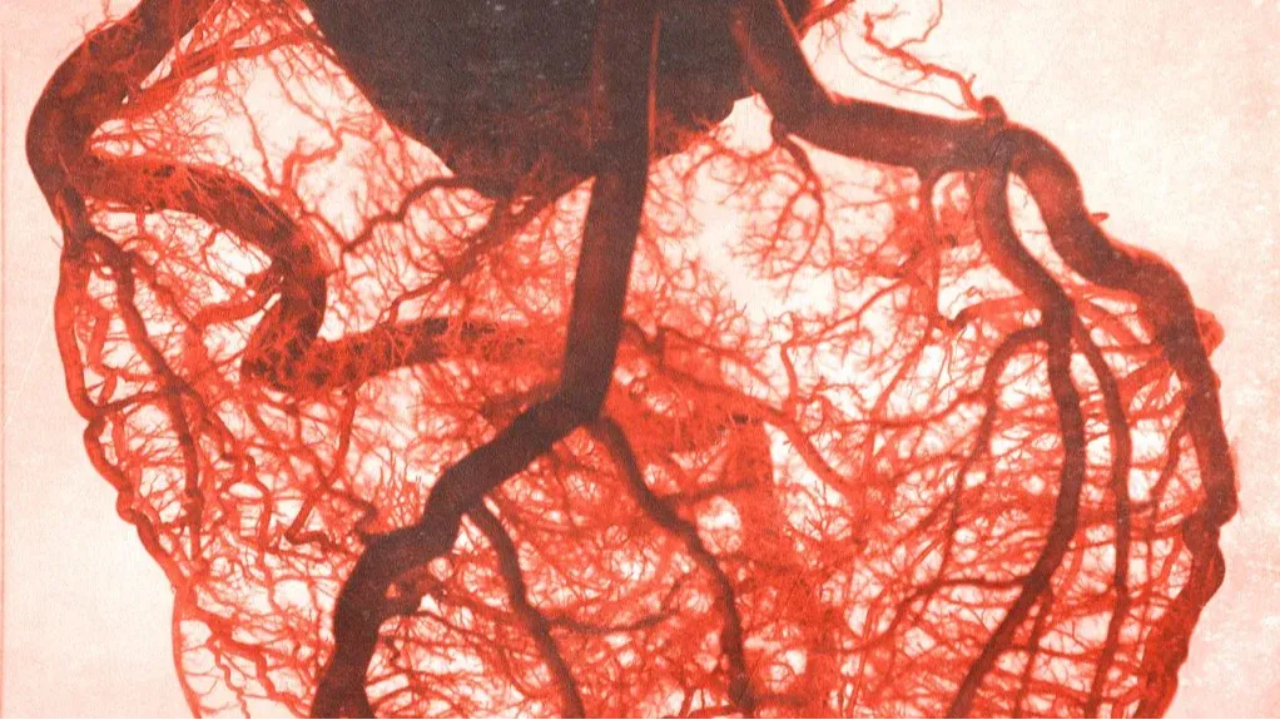
Sirisha Vadali, MD | VadaliMD
Cardiovascular disease (CVD) remains the leading cause of death in women, yet diagnostic pathways and clinical assumptions still rely heavily on male‑dominant research cohorts. This mismatch has directly contributed to missed diagnoses, delayed care, and ongoing disparities in outcomes for women. Recent expert commentary continues to highlight that women are frequently dismissed or misdiagnosed despite well‑documented sex differences in vascular biology and ischemic symptom expression.
Emerging literature underscores that conditions such as coronary microvascular dysfunction (CMD) and microvascular angina (MVA) are significantly more prevalent in women and are often the underlying cause of ischemia in the absence of obstructive coronary disease.
Sex‑Specific Differences in Cardiovascular Presentation
Women commonly experience non‑obstructive coronary artery disease (CAD), which standard angiography may miss. Up to 30–50% of women undergoing angiography for angina do not have obstructive CAD, and 50–65% of these patients have CMD.
Common Symptoms in Women Include:
- Chest pressure, heaviness, or discomfort rather than sharp “crushing” pain
- Dyspnea or disproportionate exertional intolerance
- Fatigue severe enough to impair daily function
- Nausea, indigestion, or abdominal discomfort
- Jaw, neck, shoulder, or upper‑back pain
- Dizziness, lightheadedness, or vague autonomic symptoms
Women are also more likely to experience symptoms during emotional stress rather than exercise, correlating with microvascular mechanisms rather than large‑vessel obstruction.
These subtler symptom patterns, combined with long‑standing biases in diagnostic criteria, contribute to diagnostic delays and under recognition of ischemic heart disease in women.
Microvascular Angina: A Central Contributor to Women’s Ischemic Symptoms
What It Is
Microvascular angina results from dysfunction of the coronary microcirculation—arterioles and pre‑arterioles under 500 μm in diameter—that regulate myocardial perfusion. The NEJM review by Camici & Crea outlines how abnormalities in both structural and functional components of the microvasculature can independently produce ischemia even when major coronary arteries are angiographically normal.
These abnormalities include:
- Impaired endothelial‑dependent vasodilation
- Reduced coronary flow reserve
- Increased microvascular resistance
- Microvascular spasm
Why Women Are Affected More Often
Multiple epidemiologic studies confirm that CMD and MVA are more prevalent in women, correlate with higher angina burden, and significantly reduce quality of life.
Hormonal changes, particularly the decline in estrogen during peri‑ and post‑menopause, further reduce endothelial function and microvascular responsiveness.
Symptoms of Microvascular Angina
Women with MVA may experience:
- Persistent or prolonged chest discomfort (>15 minutes)
- Symptoms at rest or during emotional stress
- Shortness of breath
- Marked fatigue
- Radiation to the back, jaw, or arms without classic chest pain
Importantly, up to 50% of women with angina symptoms do not show obstructive disease, reinforcing the need to evaluate for microvascular dysfunction.
Risk and Prognosis
While historically considered benign, recent data show that microvascular angina is associated with higher risks of heart attack, stroke, and major adverse cardiovascular events (MACE). A 2026 analysis reports nearly 8% of patients with MVA experience a major adverse event annually, highlighting the need for early recognition and intervention.
CMD also predicts adverse outcomes across both obstructive and non‑obstructive ischemic syndromes and is closely linked with development of HFpEF, which is more common in women.
Diagnostic Approaches
Traditional stress testing and coronary angiography may miss CMD. Contemporary consensus guidelines recommend more nuanced diagnostics such as:
- PET measurement of coronary flow reserve
- Stress cardiac MRI with perfusion imaging
- Invasive coronary function testing (CFT) assessing endothelial‑dependent and independent mechanisms
- Thermodilution or Doppler‑wire–based CFR and IMR measurement
These tools provide a more comprehensive evaluation of the microvasculature and help identify endotypes that guide treatment.
Treatment and Management
Current evidence suggests that despite improvements in diagnostic accuracy, a treatment gap persists. CMD identification is increasing—present in up to 41% of patients with INOCA—yet symptom improvement often lags diagnostic advances.
Evidence‑Supported Options Include:
- Anti‑anginal therapy (beta‑blockers, calcium channel blockers, nitrates)
- Ranolazine or ACE inhibitors (e.g., quinapril) which demonstrate modest improvement in CFR in small trials
- Aggressive management of cardiometabolic risk factors, including hypertension, dyslipidemia, and diabetes
- Lifestyle interventions: exercise, nutrition, autonomic and stress modulation
- Evaluation of hormonal factors in peri‑ and post‑menopausal women
CMD‑specific therapies remain limited, and high‑quality randomized trials are urgently needed.
Key Takeaways for Women’s Cardiovascular Health
- Women often present with non‑obstructive ischemia, requiring expanded evaluation beyond standard angiography.
- Microvascular angina is real, prevalent, and dangerous, with substantial prognostic implications.
- Symptoms may be subtle or atypical, and emotional‑stress–induced ischemia is more common in women.
- Early recognition and specialized testing dramatically improve diagnostic accuracy.
- A tailored, cardiometabolic and microvascular‑focused treatment approach is essential for optimal outcomes.
Stay connected with news and updates!
Join our mailing list to receive the latest news and updates from our team.
Don't worry, your information will not be shared.
We hate SPAM. We will never sell your information, for any reason.
